I have actually spent adequate time in plants, labs, and warehouse to recognize where the waste hides. It isn't constantly a leaking hose or a hard-to-recycle pallet wrap. Frequently, it's the hill of PPE Gloves that quietly expands behind a facility, one shift each time. Non reusable handwear covers are developed for safety and convenience, not for the landfill. Yet that is where most of them go. Relocating from disposal to recycle or recycling will certainly not fix every sustainability obstacle, yet it is just one of the uncommon modifications that boosts ecological duty, lowers prices, and reinforces compliance all at once.
What a single change reveals
Walk the flooring of a food processing plant during top period and you will certainly see glove dispensers clearing every hour. People transform handwear covers when relocating between allergens, after disinfecting a surface, prior to getting in a product packaging zone, and whenever a glove splits. At a 300-person facility, that can suggest 3,000 to 6,000 handwear covers daily. Also at a mid-range 3 grams per nitrile glove, that is 9 to 18 kilos of product every shift. Multiply that throughout weeks and several sites, and the footprint begins to resemble a missed opportunity.
A biomedical lab manager as soon as told me she really felt trapped between 2 bad alternatives: overuse handwear covers to avoid cross-contamination, or danger methods for waste decrease. That is an incorrect option. With appropriate sorting, handwear cover cleaning where ideal, and a vetted PPE gloves recycling program, you can preserve sterility and cut waste at the exact same time.
The composition of PPE waste
PPE seems simple externally, however handwear covers act in different ways from other safety equipment. Lab coats and aprons are commonly washed. Safety glasses are long lasting. Handwear covers differ due to the fact that they straight get in touch with the work and get discarded quick. A plant may run 3 or four handwear cover SKUs simultaneously, each for different tasks. Nitrile dominates in food and pharma due to irritant worries and chemical resistance. Latex still shows up in some setting up or evaluation work for its responsive feel. Neoprene blends find a specific niche in solvent-heavy operations.
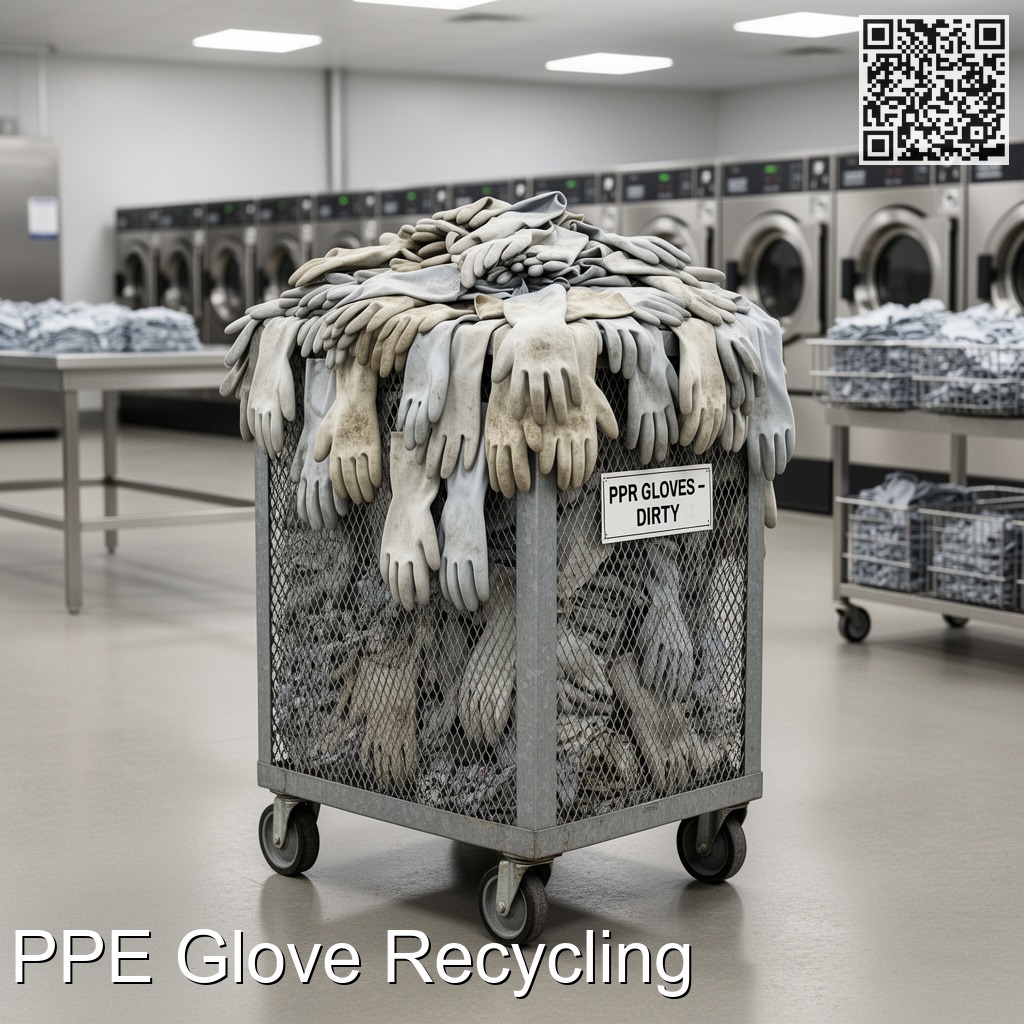
That range complicates recycling. Streams must be clean and consistent. Post-use gloves can bring oils, food residues, solvents, inks, or biological material. The trick is not to average everything right into a solitary bin. The method is to divide by risk and material to make sure that part of the stream ends up being recoverable without jeopardizing safety.
This is where environmental responsibility satisfies functional discipline. A circular economy model depends on foreseeable inputs. In a center, predictability is created, trained, and examined. It does not happen on its own.
What counts as tidy enough
The expression "recyclable PPE" can misinform. If a glove has touched with blood, virus, or managed biohazardous materials, it enters a separate world of rules and must not enter typical reusing streams. That is non-negotiable.
On the other end, handwear covers utilized for dry handling of packaged products or in a clean packing location, without any exposure to oils or solvents, can be collected for recycling or, in particular instances, for handwear cover cleaning and reuse if the glove layout, qualification, and program enable it. Between these extremes sit gray areas: inks from printing, light food deposits, trace adhesives, or non-hazardous dust. Programs like Libra PPE Recycling usually publish acceptance standards and contamination thresholds for each and every stream. When doubtful, request a waste characterization and pilot trial. A two-week pilot with evaluated bags, contamination notes, and pictures will certainly tell you more than any kind of brochure.
I have seen teams change to an intense shade for food-zone handwear covers to make arranging sure-fire, while maintenance keeps a various color for oily work. I have actually also watched a program fall short since the facility made use of one container for everything classified "gloves," after that found out the recycler denied half the tons. The second result is avoidable with a little style and coaching.
Designing a practical glove recycling setup
Start with the handwear cover map. Walk each process step and mark where handwear covers are worn, eliminated, and discarded. Note the threat account and glove type at each place. Group areas into 3 groups: low-risk recyclable, potentially recyclable with pre-treatment or liner elimination, and non-recyclable regulated waste. In a lot of centers, the low-risk recyclable category consists of product packaging lines, completed items assessment, dry storehouse selecting, and QC sampling that does not entail open product.
Collection equipment matters greater than people understand. Bins ought to be placed where handwear covers come off, not where you assume they should. Use slim openings to inhibit other waste. Publishing the approval criteria in plain language assists, yet hands-on training functions much better. One procedures supervisor set up changeover drills that included a 60-second "handwear cover throw" technique right into the correct bins. It appears foolish till you see the contamination rate decline from 18 percent to 3 percent in a week.
For sites with routine audits, maintain a log of each recuperated bag by area and day. You can do this with a QR tag and a quick mobile scan. If a recycler flags a lots for contamination, the log assists you trace it back to the resource and repair the process.
Glove cleaning is not a shortcut, it is a regulated process
Disposable gloves are classified in this way for a reason: they were not made to preserve performance after cleaning. That claimed, specific industrial gloves, particularly heavier nitrile or specialized coated handwear covers, can be cleaned up securely if the process is confirmed. Think about it as laundering scrubs. You require the ideal detergents, temperatures, and post-clean screening to validate grasp, tensile toughness, and obstacle stability. Some glove cleaning programs blend evaluation by hand with automated checks to capture microtears or broken down coatings.
Reusing a handwear cover that has actually shed its barrier properties is a quiet way to welcome cross-contamination. If you think about handwear cover cleaning, insist on performance certificates prior to and after the cleaning cycle, preferably from an independent laboratory. Then place those outcomes right into your standard operating procedures. If a handwear cover model stops working after two wash cycles, adjust your reuse count to one or switch versions. The economics still usually favor reuse when the handwear cover cost and disposal costs are high, yet just if safety stays intact.
Cross-contamination prevention comes first
The motivation for handwear cover changes stays what it has actually always been: securing individuals and items. A recycling program should never weaken your health controls. If you see drivers reluctant to transform gloves due to the fact that bins are "far away" or since they are puzzled concerning which bin to utilize, the configuration is incorrect. Repairing it might be as easy as adding lidded containers within arm's reach at vital departures, or uploading managers during the initial week to strengthen habits. I have actually additionally seen good arise from pairing the recycling program launch with a refresher course on cross-contamination prevention. When staff members understand that proper binning becomes part of the exact same security frame of mind as sanitizing and zoning, conformity improves.
Another guardrail: never ever mix handwear cover recycling bins with food or item waste streams, also if the materials are benign. In a GMP environment, assumption issues. Maintain glove bins clean, identified, and distinct.
Dollars and feeling: utilize an ROI calculator, after that verify with real data
Most sustainability projects live or die on the price code. Glove reusing gains its area by lowering disposal fees, minimizing virgin handwear cover purchases if cleansing or reuse is possible, and occasionally producing material discounts depending on the program. We built an easy ROI calculator for a customer that used 3 inputs: gloves consumed per day, typical expense per glove, and existing disposal price per pound. We included a contamination element for turned down loads and a training price in the first month. The very first pass revealed a payback in 8 to 14 weeks depending on the site.
Here's a small method to validate the numbers without spread sheets: weigh your glove waste for one week, track glove acquisitions for the same period, after that use your program's released recovery price. If you do not have a program yet, make use of a conventional healing quote of 50 to 60 percent for low-risk areas throughout the first month, after that raise as training resolves in. Feed these numbers right into your ROI calculator and pressure-test the level of sensitivity. What happens if recovery is slower? What happens if handwear cover rates drop 10 percent? A strong program ought to still pencil out under practical swings.
For multi-site companies, roll up the numbers quarterly. The variation in between websites will certainly disclose training spaces or procedure drift. Celebrate the very best entertainers. Pleasant competitors, openly uploaded, moves the middle.
Why Libra PPE Recycling maintains turning up in conversations
Full disclosure: I have actually dealt with several service providers. Libra PPE Recycling sticks out for 2 factors that matter in the area. First, they acknowledge that not all gloves are equal. Their consumption procedure displays by material and use-case before promising healing prices. That prevents unpleasant shocks later. Second, they use functional advice on container positioning, signage, and staff training. It appears tactical, however these touches are what transform intent right into tonnage.
That stated, no service provider can make up for a site that will certainly not sort or that obscures the line between recyclable handwear covers and regulated waste. The very best outcomes originate from collaboration: the service provider brings technological paths and logistics, the center brings self-control and openness. When that partnership functions, the end result sustains both Environmental obligation and operational efficiency.
The circular economic climate version, applied with pragmatism
The round economic climate is not a slogan. It is a collection of choices about material flows, designed for sturdiness, reuse, and recovery. With PPE gloves, circularity looks like 3 embedded loops. In the inner loophole, gloves that can be cleansed and reused do so for several cycles without losing efficiency. Between loop, handwear covers that can not be reused action right into material recycling, where the polymer ends up being feedstock for mats, gaskets, or other molded items. In the outer loophole, power recuperation could catch worth https://www.librami.com/about-us where contamination avoids product recycling, though that choice carries its very own trade-offs and is often regulated.
A practical circular model starts with material option. If you can move a use-case from a rare or mixed polymer to a widely recyclable nitrile with the exact same or much better performance, you pay on your own back later on in less complicated recuperation. Next, you systematize SKUs where possible. 10 glove models throughout a website damage your recovery since sorting comes to be more challenging and quantities per stream drop. Trim the profile to the minimum that covers the work. This is not about forcing a single glove onto every task, it is about thoughtful consolidation.
Negotiating the edge cases
Edge cases instruct you where a program will certainly break. A paint line with solvent exposure, as an example, generates gloves that numerous recyclers will decline. You may switch over to a much heavier recyclable glove with a verified cleaning cycle for that small zone, while keeping disposable nitrile elsewhere. In a bakeshop with nut irritants, you could select to segregate allergen-zone handwear covers for disposal while still recycling gloves from the non-allergen packaging area. A center that deals with both R&D and business production could divide R&D gloves right into a different waste stream because of unknowns, while making best use of healing in controlled production.
These choices call for judgment. They likewise call for a person to own the glove program with authority to change and the persistence to audit. In my experience, EHS leaders do well in this role when coupled with a lean or operations partner that can make little format modifications or tweak cleaning schedules.
Culture and behavior: the human side
People wear handwear covers because they respect safety and top quality. If you set up a PPE gloves recycling program as a cost-cutting workout, it will certainly feel like a hassle. Tie it to purpose. Explain the number of pounds of glove waste your site produced last quarter. Transform it to something substantial: the equivalent of a complete pallet a week, or a tiny dumpster every 2 days. Show where the product goes when recouped, and what it comes to be. One website mounted a photo of floor mats made from their own recuperated nitrile and hung it near the group huddle board. Involvement raised without a solitary enforcement email.
Incentives aid, but consistency issues much more. Establish a target contamination rate and share progression weekly during the first month, then monthly. Keep training brief and functional. A 90-second talk throughout a toolbox meeting beats a long slide deck. Ask operators to recommend container placements. People sustain what they helped design.
Regulatory and certification angles
Glove recycling is not almost great vibes. Some customers now ask for evidence of accountable PPE management in distributor analyses. Sustainability records are wandering from glossy images to data tables that call out waste diversion and material healing prices. The integrity of those numbers hinges on traceability. Select a recycling partner that can give certificates of devastation or healing, weights by pick-up, and paperwork you can show during audits.
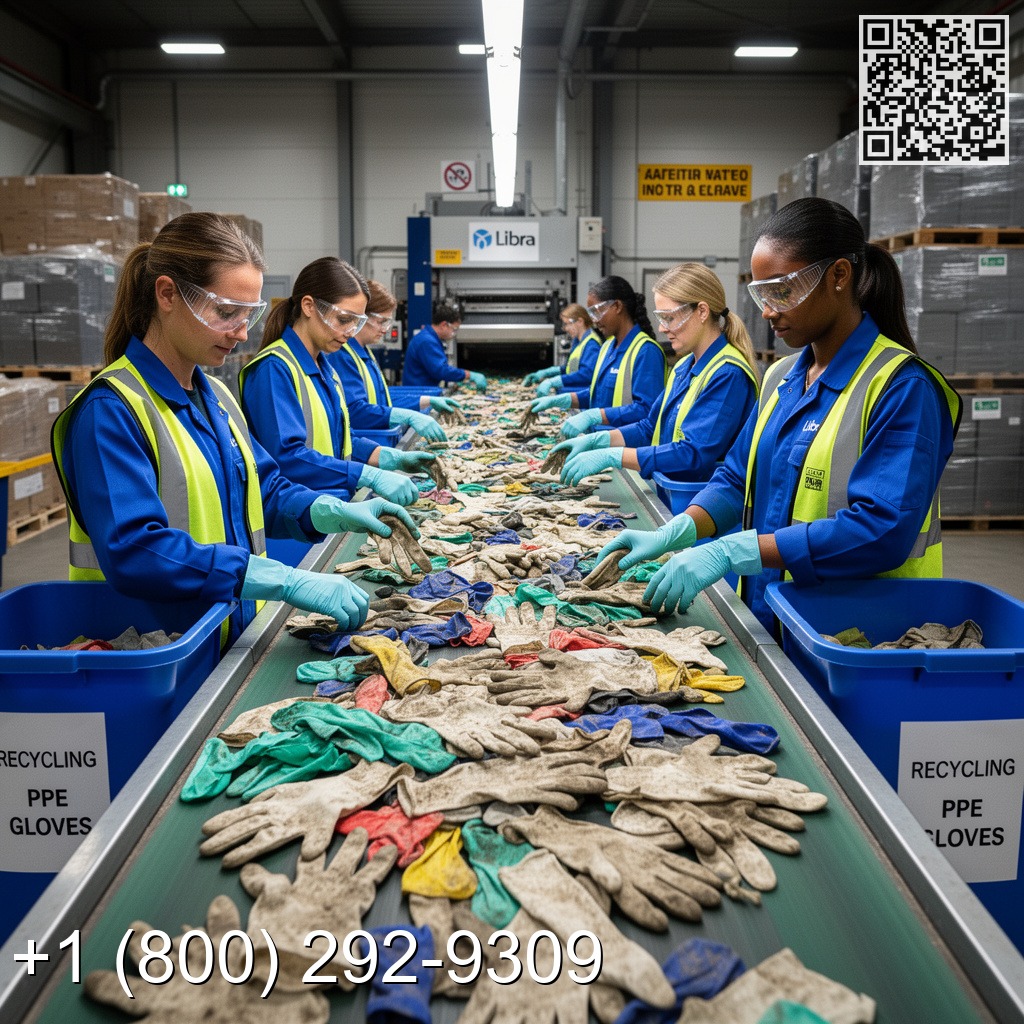
For food and pharma, link the program to your existing hygiene and GMP protocols. Compose the glove container upkeep and transfer steps into your SOPs. Tag bins with the same treatment you apply to active ingredient totes. If you make use of a quality monitoring system, treat handwear cover healing exceptions like any type of various other nonconformance: record, check out root cause, and close corrective actions. It seems formal due to the fact that it ought to be.
Avoiding the usual traps
Two issues show up again and again. Initially, contamination from unassociated trash. The repair is physical: covers with slim ports, bins within arm's reach, and a clear no-food-waste rule near glove collection factors. Second, program drift. Six months after launch, bins migrate, signage fades, and new hires never discover the system. Protect against drift by appointing a bin owner per zone and putting a quarterly check on the maintenance calendar.
Another trap is overpromising. If a carrier asserts one hundred percent handwear cover recycling without any limitations, inquire to place in writing the material kinds and contamination thresholds, plus the downstream processor information. Then call the cpu. Responsible programs endure scrutiny.
An easy path to start
If you prepare to relocate, keep the kickoff simple:
- Run a one-week handwear cover audit. Evaluate daily glove waste by zone, note handwear cover kinds and contamination, and photo bins at end of shift. Select 2 low-risk zones for a four-week pilot with plainly labeled bins, team rundowns, and once a week progression checks.
Those 2 steps construct your baseline and produce momentum without frustrating the operation. With lead to hand, broaden to adjacent zones and readjust your PPE acquiring to prefer recyclable materials.
What real success looks like
The best programs mix small modifications into routine work. At a drink plant in the Midwest, the team began with packaging and storehouse. They installed color-coded containers, switched to a single nitrile design for those areas, and educated for 10 mins at shift start for one week. Within two months, they diverted 1,400 extra pounds of handwear covers and decreased mixed solid waste pick-ups by one container per quarter. Prices dropped decently, but the bigger win came during a client audit. The auditor talked about the clarity of the glove circulation and the uniformity of signs throughout lines. That comments matters in a competitive contract environment.
At a clinical gadget plant, a different tale played out. They tried to reuse all handwear covers, consisting of those made use of in solvent cleaning. Lots were denied, the team got disappointed, and containers came to be catch-alls for garbage. A reset tightened the extent to setting up locations only, reestablished training, and selected a solitary proprietor in procedures. Three months later, recuperation supported and the group restored self-confidence. Range self-control made the difference.
Pulling PPE into a broader sustainability portfolio
Glove recycling must not stand alone. It pairs naturally with various other circular activities: switching from single-use sleeves to launderable versions where appropriate, implementing reusable totes in shipping, and recovering diminish movie. Each item reinforces the others. The ROI calculator that warranted glove recycling can be adjusted for these tasks too. Collective gains, determined and reported, develop the situation for bigger financial investments like wastewater heat recovery or on-site solar.
When leadership asks where to begin on Environmental responsibility in a high-compliance setting, PPE is a clever doorway. It touches every staff member, it shows up, and it is understandable with self-displined actions. Programs like Libra PPE Recycling add range and reliability, however the heart of the work gets on the flooring, at the bin, and accustomed to individuals that wear the gloves.
The base line
PPE handwear covers are a day-to-day need, not a needed evil. Treat them with the very same design attention you offer to production lines: define the best products, systematize where functional, train for actions, and close the loophole with reuse or recycling. Guard cross-contamination avoidance most importantly. Let your ROI calculator notify, yet allow lived procedure information decide. Partner with a recycler who understands subtlety. Then maintain it enough time to make the practice ordinary.
Environmental obligation scales through common routines done well. Recycling PPE Gloves is a habit worth structure, one container, one shift, and one site at a time.
Libra Industries Inc
1435 N Blackstone St, Jackson, MI 49202
+15177875675
| Place ID | ChIJt_HMH44vPYgRNbiD22DpHYo |
| CID | 9952367353767639093 |
| Business Profile ID | 6301257705288912858 |
7H9Q+2G Jackson, Michigan
| Coordinates | 42.26760060, -84.41112540 |
 Ask ChatGPT
 Ask Grok
 Ask Perplexity
 Ask Claude
 Ask Google AI
 Ask You